GST : 24ACOFS4771L2ZG

 Get A Quote

 Send Inquiry
Silicone Rubber Coated Fiberglass Fabric
Price 250 INR/ Meter
About Silicone Rubber Coated Fiberglass Fabric
Silicone rubber coated fiberglass fabric is a type of high-performance fabric that is used in a variety of industrial applications due to its exceptional properties. It is made by coating fiberglass fabric with a layer of silicone rubber, which provides excellent resistance to heat, chemicals, and other environmental factors.The silicone rubber coating on the fiberglass fabric gives it exceptional resistance to high temperatures, making it an ideal material for use in applications where thermal insulation and fire resistance are required. It also provides excellent resistance to water, oil, and other chemicals, making it suitable for use in harsh environments.
Customizable Design for Diverse Needs
Choose from a variety of thicknesses, GSM ranges, and dimensions to perfectly match your industrial requirements. Whether you need sheets or rolls, our silicone-coated fiberglass fabric offers exceptional flexibility for heat insulation, electrical insulation, or conveyor belt applications, thanks to its customizable specifications and robust construction.
Engineered for Extreme Temperatures
Our fiberglass fabric features E-glass fibers coated in high-quality silicone rubber, making it ideal for environments where temperatures reach up to 260C. Its low thermal conductivity and resistance to thermal shock ensure reliable protection for machinery and critical components in high-heat industrial settings.
Trusted by Industry Leaders
Supplied by established exporters, manufacturers, and importers in India, this fabric is trusted for its consistent quality and performance. Each roll or sheet undergoes stringent quality control, delivering dependable results for heat insulation, electrical safety, and mechanical conveyance across a broad range of industries.
FAQ's of Silicone Rubber Coated Fiberglass Fabric:
Q: How is silicone rubber coated fiberglass fabric typically used in industrial settings?
A: Silicone rubber coated fiberglass fabric is commonly used for thermal protection, electrical insulation, and as conveyor belts in industrial environments. The material's strength and heat resistance make it ideal for insulating equipment, protecting cables, and handling materials in high-temperature applications.Q: What are the key benefits of using E-glass type silicone coated fiberglass fabric?
A: The major benefits include high resistance to heat (up to 260C), low thermal conductivity, superior durability, resistance to chemicals and moisture, as well as flexibility in customization. E-glass enhances the fabric's mechanical strength and electrical insulating properties, making it suitable for demanding industrial tasks.Q: When should I consider using silicone rubber coated fiberglass fabric?
A: Consider using this fabric when your operation involves exposure to high temperatures, requires reliable insulation, or needs protection from fire, chemicals, or moisture. It is particularly useful in sectors such as metallurgy, power generation, manufacturing, and electronics.Q: Where can this fabric be applied effectively?
A: This material is highly effective in environments such as factories, power plants, and any industrial facility requiring heat or electrical insulation. It can be used as heat shields, welding blankets, fire curtains, protective covers, or conveyor belts in various thermal processing setups.Q: What is the manufacturing process of silicone rubber coated fiberglass fabric?
A: The process begins by weaving E-glass fiberglass yarns into a fabric. This fabric is then coated or impregnated with silicone rubber using advanced equipment, resulting in a durable, flexible, and heat-resistant product. The fabric can be cut into sheets or rolled according to custom specifications.Q: How does customizable thickness and GSM benefit industrial applications?
A: Having options in thickness (0.2mm-3mm) and GSM (200-800) allows users to tailor the fabric's performance characteristics for specific needs. Thicker and denser fabrics provide added insulation and protection, while thinner, lighter options enable flexibility and ease of installation based on application demands.
Tell us about your requirement

Price:
Quantity
Select Unit
- 50
- 100
- 200
- 250
- 500
- 1000+
Additional detail
Mobile number
Email

More Products in Fiberglass Fabric Category

SSC High Temperature Fiberglass Fabric
Price 250.00 INR / Square Meter
Minimum Order Quantity : 50 Square Meters
Application : Insulation, Fire or Welding blanket etc.
Material : CERAMIC
Thickness : 2 mm
Dimension (L*W*H) : 1 x 50 Meter (m)

Black PTFE Coated Fiberglass Fabric
Price 800 INR / Square Meter
Minimum Order Quantity : 100 Square Meters
Application : Industry Hightemperature insulation and sealing
Material : Fiberglass coated with PTFE
Thickness : Typically 0.13 mm to 1 mm
Dimension (L*W*H) : Variable dimensions available
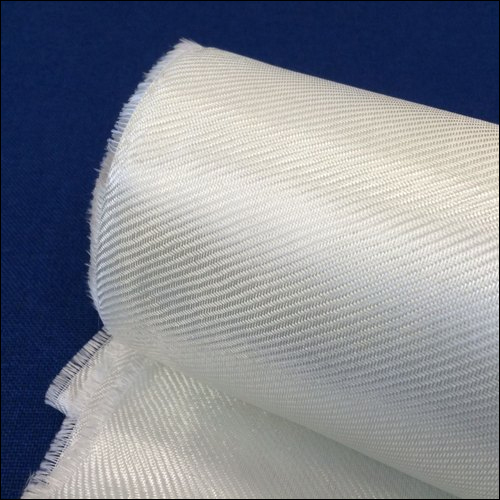
Satin Weave Fiber Glass Fabric
Price 75 INR / Square Meter
Minimum Order Quantity : 100 Square Meters
Application : Industrial and insulation purposes
Material : Fiber Glass
Thickness : 0.2mm to 0.8mm
Dimension (L*W*H) : Customizable dimensions

Plain Silver Aluminized Fabric
Price 150 INR / Meter
Minimum Order Quantity : 100
Application : Industrial and insulation uses
Material : Fiberglass and aluminum
Thickness : Standard
Dimension (L*W*H) : Customizable

SHREE SHYAM CORPORATION
GST : 24ACOFS4771L2ZG
Contact Details

- 28, Parishram Industrial Hub, Sarkhej-Bavla Road, Chacharwadi-Vasana Road, Changodar,Ahmedabad - 382213, Gujarat, India

- Mr Kirit Solanki (Partner )
- Mobile :08045802262
- Phone :079-29798627

 Send Inquiry
 Send SMS
 Call Me Free

SHREE SHYAM CORPORATION
All Rights Reserved.(Terms of Use)
Developed and Managed by Infocom Network Private Limited.
Developed and Managed by Infocom Network Private Limited.


 English
 Spanish
 French
 German
 Italian
 Chinese (Simplified)
 Japanese
 Korean
 Arabic
 Portuguese
