GST : 24ACOFS4771L2ZG
 Get A Quote

 Send Inquiry
Fiber Glass Cloth
Price 100.00 INR/ Square Meter
MOQ : 100 Square Meters
Fiber Glass Cloth Specification
- Material
- FIBER GLASS
- Application
- Backing material for Electrical Insulating Tapes. Aircraft, Boats, Automobiles Thermal Insulation. Reinforcement material for Polyester resins and Phenolic resins. Aluminium Filtration. Reinforcement for water proofing. Sound and heat protection PCB Board for computer Basic cloth for coatings and laminations Welding Blanket And Fire Blanket Expansion Joints Heat Shields and Containment Oven Door Seals Gasketing
- Dimension (L*W*H)
- 1 x 100 Meter (m)
- Color
- White
- Width
- 1 Meter (m)
- Length
- 100 Meter (m)
Fiber Glass Cloth Trade Information
- Minimum Order Quantity
- 100 Square Meters
- Payment Terms
- Cash in Advance (CID), Cheque, Cash Advance (CA)
- Supply Ability
- 100 Square Meters Per Day
- Delivery Time
- 2 - 3 Days
- Sample Available
- Yes
- Sample Policy
- Within a certain price range free samples are available
- Packaging Details
- Roll packing
- Main Export Market(s)
- Western Europe, Australia, North America, South America, Eastern Europe, Middle East, Central America, Asia, Africa
- Main Domestic Market
- All India
About Fiber Glass Cloth
Fiberglass Fabric made out of High Quality E-glass Fiberglass Yarn. Fiberglass Fabric is lightweight, versatile, and cost-effective. Fiberglass Fabric is used in a variety ofindustrial and commercial products. Because its made from glass, it is naturally resistant to heat, fire, chemicals, etc.
Properties:
Applications:
Properties:
- High Tensile Strength
- High heat resistance
- High Dimensional Stability
- Fire resistance
- Good thermal conductivity
- Good chemical resistance
- Outstanding electrical properties
- Durability
- Insulation
- Environment friendly
- Sound insulation
- Good filtration performance
- Used as the bindings of boiler for electrical machinery and appliances.
Applications:
- Backing material for Electrical Insulating Tapes.
- Aircraft, Boats, Automobiles
- Thermal Insulation.
- Reinforcement material for Polyester resins and Phenolic resins.
- Aluminium Filtration.
- Reinforcement for water proofing.
- Sound and heat protection
- PCB Board for computer
- Basic cloth for coatings and laminations
- Welding Blanket And Fire Blanket
- Expansion Joints
- Heat Shields and Containment
- Oven Door Seals
- Gasketing
Specification
| GSM | 24 to 1000 |
| Color | White |
| Thickness | 0.03 mm to 3 mm |
| Temperature | 550 Degree C |
| Brand | SSC |
| Width | Up to 2000 mm |
| Material | High Quality E-glass Fiberglass Yarn |
| Usage/Application | Insulation |
| Packaging Type | Roll |
| Roll Length | 100 m |
Versatile Industrial Applications
Fiber Glass Cloth is essential in numerous industries, including aircraft, boats, and automobiles, due to its fantastic thermal and sound insulating properties. Its adaptability extends to electrical, construction, and safety sectors, making it a staple material for reinforcement, filtration, and protective equipment such as welding blankets and oven seals.
Superior Material and Durability
Produced from robust fiber glass, this cloth is engineered for strength and long-lasting performance. It resists high temperatures and chemical exposure, offering reliable reinforcement for polyester and phenolic resins, as well as superior fire and thermal protection in demanding environments.
FAQ's of Fiber Glass Cloth:
Q: How is Fiber Glass Cloth typically used in industrial applications?
A: Fiber Glass Cloth serves as a reinforcement and insulation material in applications ranging from electrical tape backing, aircraft and boat construction, to welding blankets and fireproofing. It's also used for filtration, gasketing, and thermal protection in various industries.Q: What makes this Fiber Glass Cloth suitable for heat and sound insulation?
A: The inherent properties of fiber glass allow it to withstand and deflect high temperatures, making it an excellent barrier against heat. Its dense weave also aids in dampening sound, which is ideal for environments requiring both heat resistance and acoustic control.Q: Where can this Fiber Glass Cloth be installed or applied?
A: This cloth is used across multiple sectors, including in oven door seals, PCB boards for computers, automobile components, boat insulation, and as a base for coatings and laminations. It is also applied in waterproofing and for the production of fire and welding blankets.Q: What is the process for incorporating this Fiber Glass Cloth with resins?
A: Typically, the fiber glass cloth is layered with polyester or phenolic resins to create composite structures. The resin is applied over the cloth, which is then cured, resulting in a reinforced, durable, and resilient material suitable for various engineering applications.Q: When should Fiber Glass Cloth be chosen over other materials?
A: It should be selected when requirements include high thermal resistance, structural strength, electrical insulation, and fire protection. Its compatibility with resins and ability to serve as filtration and gasketing material makes it a superior choice in harsh environments.Q: What benefits does Fiber Glass Cloth offer during export or supply from India?
A: As an exporter, importer, manufacturer, and supplier based in India, we ensure consistent quality, competitive pricing, and adherence to international standards. The material's reliability and multipurpose functionality provide value to industries worldwide.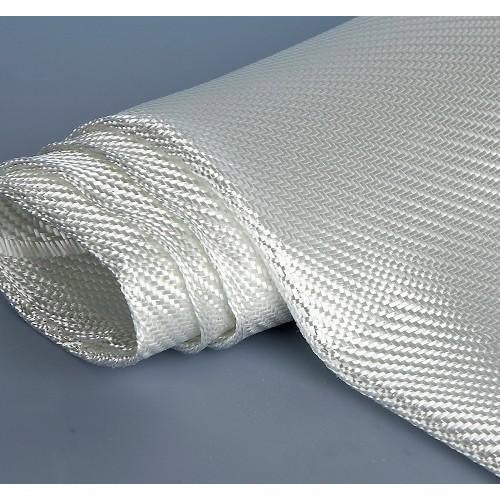


Tell us about your requirement

Price:
Quantity
Select Unit
- 50
- 100
- 200
- 250
- 500
- 1000+
Additional detail
Mobile number
Email

More Products in Fiberglass Cloth Category
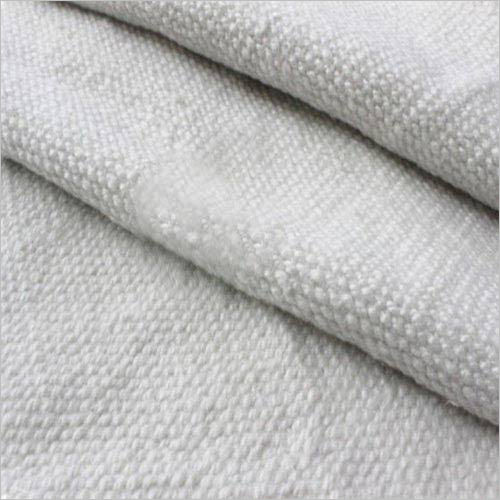
SSC Ceramic Fiber Cloth
Price 350.00 INR / Kilograms
Minimum Order Quantity : 50 Kilograms
Color : White, Dull of Brown
Dimension (L*W*H) : 1 x 50 Meter (m)
Material : ceramic
Width : 1 m
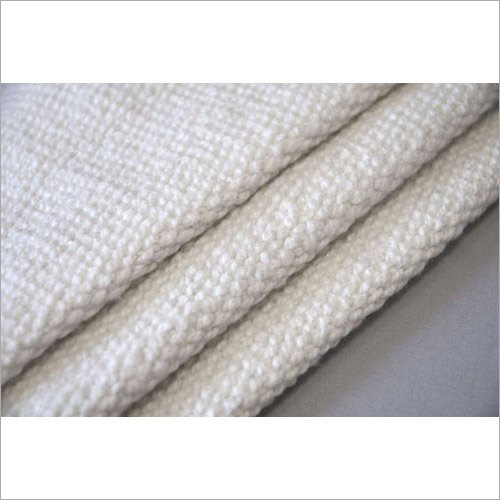
SSC Ceramic Fiberglass Cloth
Price 500 INR / Square Meter
Minimum Order Quantity : 50 Square Meters
Color : WHITE
Dimension (L*W*H) : 1 x 1, 1 x 2, 2 x 2, 3 x 3 or Customized. Meter (m)
Material : CERAMIC
Width : 1000 Millimeter (mm)

Varnished Fiberglass Cloth
Price 200 INR / Meter
Minimum Order Quantity : 500 Meters
Color : yellow
Dimension (L*W*H) : 1 x 10 Meter (m)
Material : varnished fiber glass
Width : 36 Inch (in)

SHREE SHYAM CORPORATION
GST : 24ACOFS4771L2ZG
Contact Details

- 28, Parishram Industrial Hub, Sarkhej-Bavla Road, Chacharwadi-Vasana Road, Changodar,Ahmedabad - 382213, Gujarat, India

- Mr Kirit Solanki (Partner )
- Mobile :08045802262
- Phone :079-29798627

 Send Inquiry
 Send SMS
 Call Me Free

SHREE SHYAM CORPORATION
All Rights Reserved.(Terms of Use)
Developed and Managed by Infocom Network Private Limited.
Developed and Managed by Infocom Network Private Limited.


 English
 Spanish
 French
 German
 Italian
 Chinese (Simplified)
 Japanese
 Korean
 Arabic
 Portuguese
